


 The tragic shooting at Sandy Hook Elementary School reignited the national debate over gun control. While the pundits exchange political jabs over tougher gun laws, I see gun violence continuing to reach deeper into the African-American community by adding more faces to the already long list of causalities.
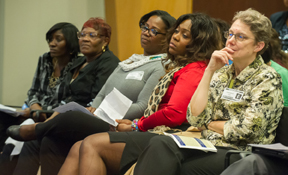
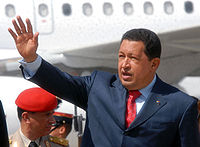 The Hudson Institute’s panel discussion on the future of Venezuela featured four males, all White, with a packed audience of more than 120 people in downtown Washington. Only 5 people in the audience were Black, 6 were non-White.
During the discussion, Luis Rubio, political analyst, said what distinguished Chavez from other influence peddlers was his “unlimited purse” the he filled with the country’s oil money. Pedro Bureli, Managing Partner at B&V Consulting, went on to characterize Chavez as offering his supporters “faulty promises” and his country’s “patronage with no check and balances.”
When asked by POH why so many African-Venezuelans supported Chavez and what his group would do to meet their needs, Bureli would not even strongly acknowledge that such a voting block exists, calling it a “faux issue.” He did add that the focus should be on a Chavez ally, the Cuban government. “Black Cubans,” he said, “are underrepresented throughout the government apparatus.”

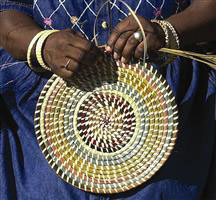 The 2013 Sweetgrass Cultural Arts Festival starts Friday, May 31 with the “Real Taste of Gullah Banquet" from 6p to 10p at the Town of Mt. Pleasant Waterfront Memorial Park Visitors Center Cooper River Room in Mt. Pleasant, South Carolina.
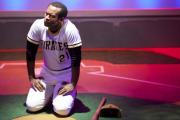
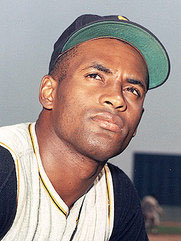 In the audience the night I saw DC7-The Roberto Clemente Story, Pedro Sierra was there. Sierra is Afro-Cuban and played with the Indianapolis Clowns (1954) and the Detroit Stars (1955-1958) of the Negro League. Sierra’s presence reinforced how much Afro-Americans overlook how connected we are with our Spanish-speaking cousins, which makes seeing the play about the Afro-Puerto Rican baseball player a great event that can bridge the knowledge and appreciation gap.
 However,